
Efficient and sustainable hotels with BACS and Energy Savings Certificates

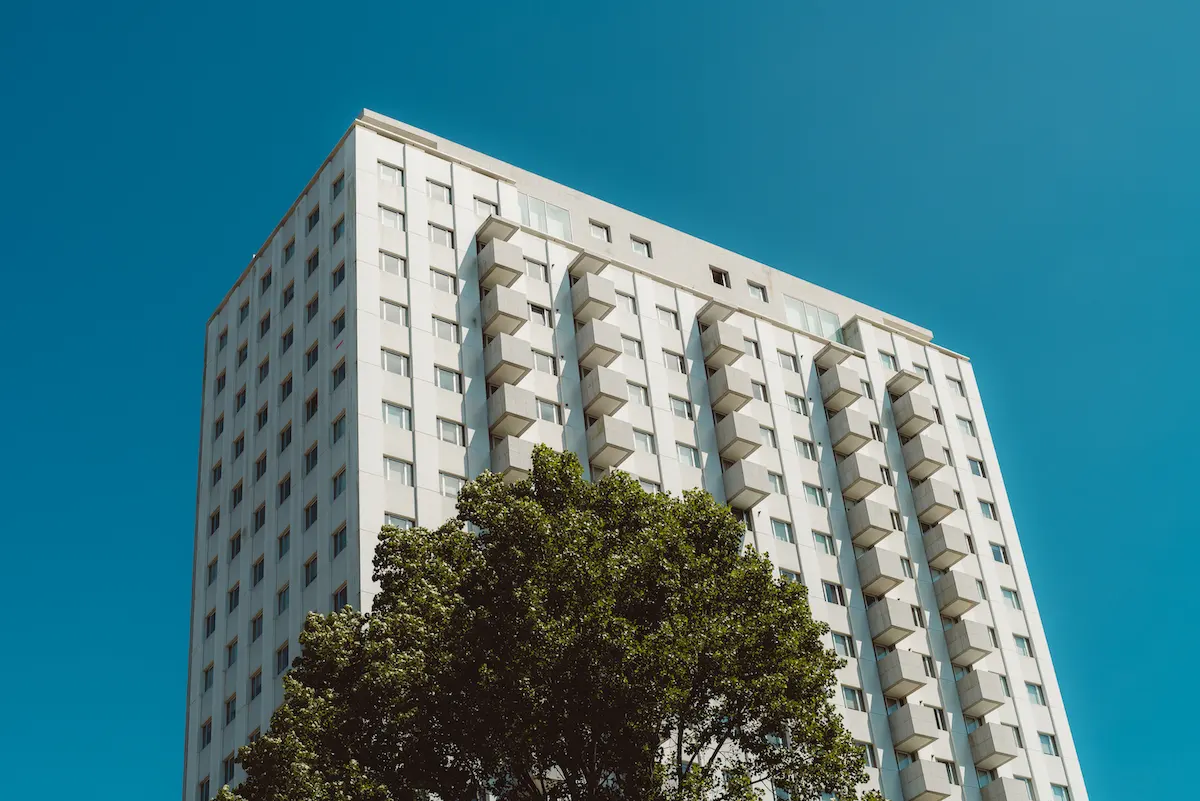
Each hotel has specific energy needs depending on its size, services offered, schedules and occupancy. BACS (Building Automation and Control Systems) systems and obtaining Energy Savings Certificates (CAEs) offer complete solutions to maximize energy efficiency, reduce operating costs and enhance environmental sustainability. From our experience and with the support of the TER050 Sheet, we accompany hotels on this path towards outstanding energy performance.
Hotels: energy efficiency with guaranteed comfort
Many hotels still manage their energy in a traditional way, leaving lights on unnecessarily or maintaining active air conditioning systems without adapted control. This translates into high consumption and lack of visibility on the real use of energy.
Our proposal combines BACS systems with electrical submetering, which allows energy consumption to be broken down by areas, equipment or services, detecting inefficiencies and acting accordingly. Thus, not only is energy performance improved, but the guest experience is maintained—or even improved.
Submetering and intelligent management by zones
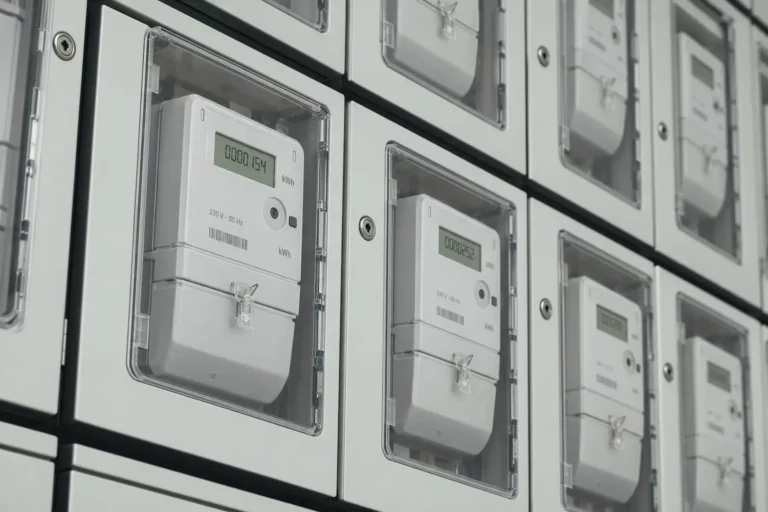
With submetering solutions, secondary meters are installed that allow the consumption of specific areas of the hotel to be analyzed in real time: rooms, kitchens, conference rooms, air conditioning, etc. This granularity of data allows you to dynamically adjust energy use and make informed decisions.
In common areas such as lobbies or restaurants, our systems automatically regulate lighting based on available natural light and air conditioning based on actual occupancy. This ensures comfort with minimal energy consumption, aligning with the principles of intelligent efficiency.
Energy optimization in recreational areas
Facilities such as spas, swimming pools or gyms usually operate continuously, generating high costs. With submetering and automation, it is possible to detect real demand (through bookings or sensors) and operate only when necessary, without compromising customer comfort.
In addition, this visibility allows detecting deviations or failures in the operation of pumps, filtering systems or air conditioners, allowing proactive maintenance.
Energy efficiency in commercial kitchens and laundries
Kitchens and laundries are usually two of the spaces with the highest energy consumption within a hotel, due to the intensive use of thermal and electrical equipment for long periods. The implementation of submetering in these areas opens the door to concrete opportunities to make informed decisions that improve efficiency without affecting operations.
- Identify the specific daily consumption of each area or equipment.
- Reorganize cooking and washing shifts to avoid simultaneous demand peaks.
- Evaluate the energy performance of each line of work (washing, drying, cooking, extraction) and prioritize technological renovations where they have the most impact.
Optimization of central air conditioning systems
Air conditioning represents one of the main sources of energy expenditure in hotels, especially in areas with variable hours of use such as meeting rooms or common areas.
- Identify time slots with unnecessary system operation.
- Detect consumption differences between areas with different occupancy levels.
- Adjust setpoints or automate on/off schedules according to real usage patterns.
Energy analysis by type of service or functional unit
One of the great advantages of submetering in hotel environments is the possibility of analyzing energy consumption depending on the type of activity or functional area: catering, spa, rooms, laundry, technical services, among others. This segmentation opens the door to multiple optimization opportunities.
- Compare energy performance between departments with different levels of use or thermal load.
- Calculate key indicators such as kWh or €/guest-night for each functional unit.
- Foster a culture of internal efficiency by making visible the energy impact of each piece of equipment or service.
In addition, having this information facilitates more strategic energy management, allowing the hotel to establish objectives by area, prioritize investments where the return is greater and even apply incentives for energy performance.
Certification of energy savings and access to incentives (CAEs – File TER050)
Beyond direct savings, these systems enable the generation of CAEs in accordance with the TER050 Sheet. By having submetering and complete technical documentation, it is possible to verify savings through certifying entities and receive economic incentives.
EcoMT, together with the OTEA platform, facilitates data collection, the preparation of technical reports and the traceability required so that hotels can access these certificates with guarantee and without friction.
Sustainability and environmental responsibility
Implementing BACS and submetering not only reduces energy consumption, but also reinforces the hotel’s environmental commitment. This contributes to the reduction of the carbon footprint and improves eligibility for certifications such as LEED, BREEAM, ISO 50001 or the Building Energy Certificate.
Guests value sustainable accommodations. These systems allow consumption per guest-night to be transparently displayed and real reduction goals to be set, aligning with CSR policies and ESG objectives.
How to act to take advantage of the CAEs?
1. Energy audit: performs a comprehensive analysis of energy consumption patterns, inspecting equipment and identifying areas for improvement to optimize energy use.
2. Solution selection:Determine which technological solutions (SCADA platforms, IoT, etc.) best suit your specific needs based on the size and layout of the facilities.
3. Installation and configuration:implement the necessary sensors, controls and software, preferably relying on certified experts or specialized suppliers such as EcoMT and implementations such as OTEA.
4. Constant monitoring:Continuously monitors the data provided by the system, schedules regular maintenance, inspects equipment periodically, and continually trains staff to get the most out of the system.
5. Certification and monetization of savings:After the effective implementation of the system and the demonstration of energy results, the savings are validated through audits certified by authorized entities. Once these savings are verified, the Energy Savings Certificate (CAE) is granted, generating economic incentives that you can reinvest in more technological or sustainable improvements.
Recommended for you

You deserve a facility management system that works with you
Request a free demo and discover how other maintenance, sustainability, and energy efficiency teams are achieving real results. No unnecessary complexity. Just a clear roadmap designed to scale with you.



