
Energy efficiency in public buildings


In sustainable development goal number seven, the UN describes an ambitious challenge: to double the global rate of energy efficiency improvement by 2030.
And it is not surprising.
According to EU data, 40% of energy consumption and 36% of CO2 emissions come from the construction and use of buildings.
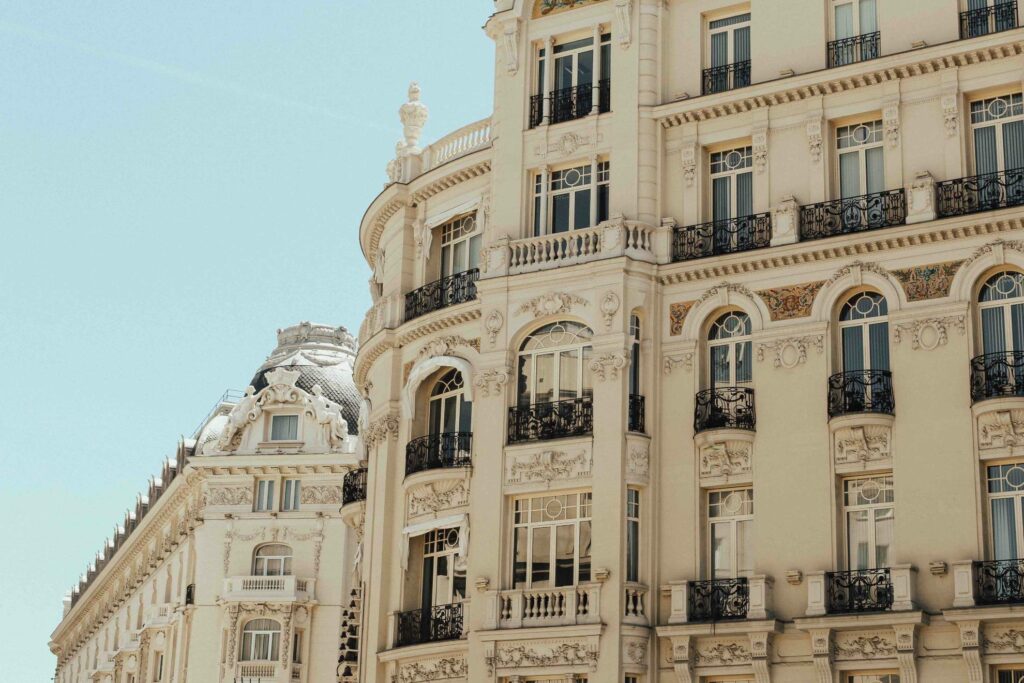
The European real estate stock needs to reduce its energy demand and energy efficiency is one of the answers.
Entities and public administrations have stepped up to the plate by creating a legal framework, accompanied by investments, focused on reducing the energy consumption of old or newly built buildings.
An example is Directive 2010/31/EU. A rule that, since 2020, requires that all newly built buildings be nearly zero-energy buildings (nZEB or CCN). And if they are occupied by administrations or are publicly owned, this rule has applied to them since 2018.
How to identify a public building without energy efficiency?
Sometimes public infrastructure is old, which means poor energy and operational efficiency.
They are easy to identify.
These types of buildings do not have an energy efficiency plan, use obsolete lighting systems and waste energy daily. How? For example, it is common for the operation of the air conditioning to depend on the users of the building, which leads to peaks in energy consumption and for the machines to continue consuming at night.
In addition, when used manually and unstablely, the service life of these machines is reduced.
Energy efficiency in public buildings step by step
The best way to optimize energy use in public buildings begins by attacking systems or infrastructure that promote excessive energy consumption.
Here are three examples:
1. Building infrastructure
A well-insulated, oriented building, protected from solar radiation and possible infiltration of water or air, consumes less energy than another whose infrastructure is not in good condition.
What is sought with these structural improvements is to optimize the performance of the facilities.
2. More efficient equipment and systems
After the structural improvement, the energy rehabilitation of buildings involves reviewing the equipment and systems used and considering replacing them with more efficient ones.
LED lights, A-rated boilers or more efficient HVAC equipment are some examples.
3. Energy management infrastructure
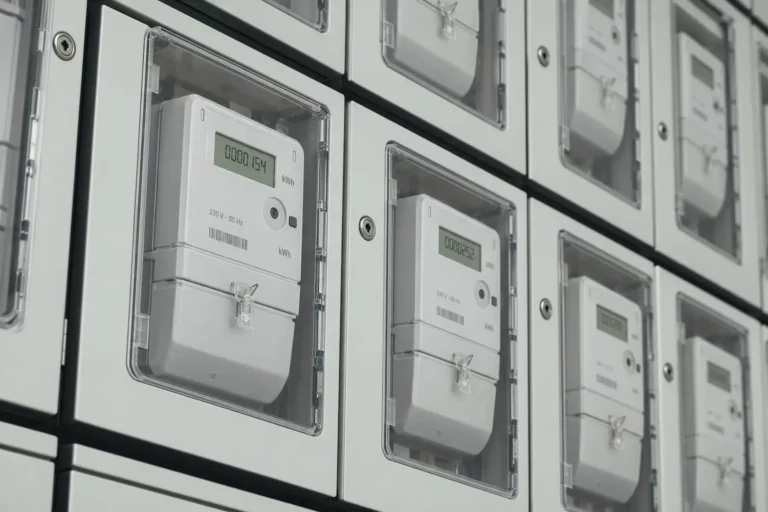
Implementing technological solutions that monitor and control the operation of lighting and air conditioning reduces the energy consumption of a building by up to 40%.
In addition, this type of automation reduces the misuse rates of air conditioning machines to 1%, since they prevent the air conditioning from being left on at night or readjust its operation taking into account variables such as the outside temperature or building occupancy.
These infrastructure have a energy management platform in the cloud to carry out a study of consumption to simplify the implementation of energy efficiency measures or compliance with international regulations such as ISO 50001.
Benefits of energy efficiency in public buildings
Here are ten benefits of optimizing energy demand in public buildings:
- One of the most important is the energy savings of up to 40% compared to traditional buildings.
- Improvement of the safety and health of the building by being able to automate parameters such as air quality.
- Increased well-being of citizens and public employees through automatic adjustment of the room temperature.
- Regulation and automatic operation of artificial lighting depending on occupancy and natural light.
- Use of natural resources that interact with artificial lighting.
- The reduction in maintenance tasks due to misuse of air conditioning and lighting systems is also significant.
- Solutions that are more respectful of the environment.
- Greater durability of investments by extending the service life of the building’s machines and systems.
- Reduction of CO2 emissions by implementing algorithms to optimize energy consumption in public buildings.
- Integration in the management of variouscomplementary services.
Energy efficiency solutions can be applied in these public buildings
Optimizing energy consumption in public administration through innovative systems and technology is valid for any type of building. For example:
- Office buildings and smaller premises
- Cultural spaces
- Educational institutions
- Hospitals and health centers
Smart City Coruña, public buildings that move towards sustainability
The Coruña Smart City project seeks to convert the city of Hercules into a «smart city» capable of controlling and optimizing its energy and water consumption to reduce public costs, protect the environment and improve the well-being of citizens. In this context, in 2015 a pilot project was launched in 54 municipal buildings and in the Casa del Agua to rationalize energy consumption.
The pilot project, led by EcoMT, responsible for the design of OTEA, begins with the monitoring of gas and water consumption in the selected buildings, taking into account different factors such as hours of use, seasonality and type of activity.

From this data, a specific plan is developed for each building with the aim of adjusting its energy and water consumption to reality, avoiding inefficiencies.
All the data collected is integrated into OTEA, which in turn communicates with the Coruña Smart City technological platform, which allows exhaustive control of consumption and rapid detection of anomalies to avoid wasting energy and money.
The Casa del Agua, an example of energy efficiency
A concrete example of this initiative is the Casa del Agua, which becomes a totally intelligent building. For almost a decade, the energy efficiency system has controlled the energy supply, lighting and air conditioning according to the needs of users and the weather forecast, which translates into savings of up to 20% compared to current consumption.
Recommended for you


You deserve a facility management system that works with you
Request a free demo and discover how other maintenance, sustainability, and energy efficiency teams are achieving real results. No unnecessary complexity. Just a clear roadmap designed to scale with you.



