
What is an energy audit and how can it help your business?
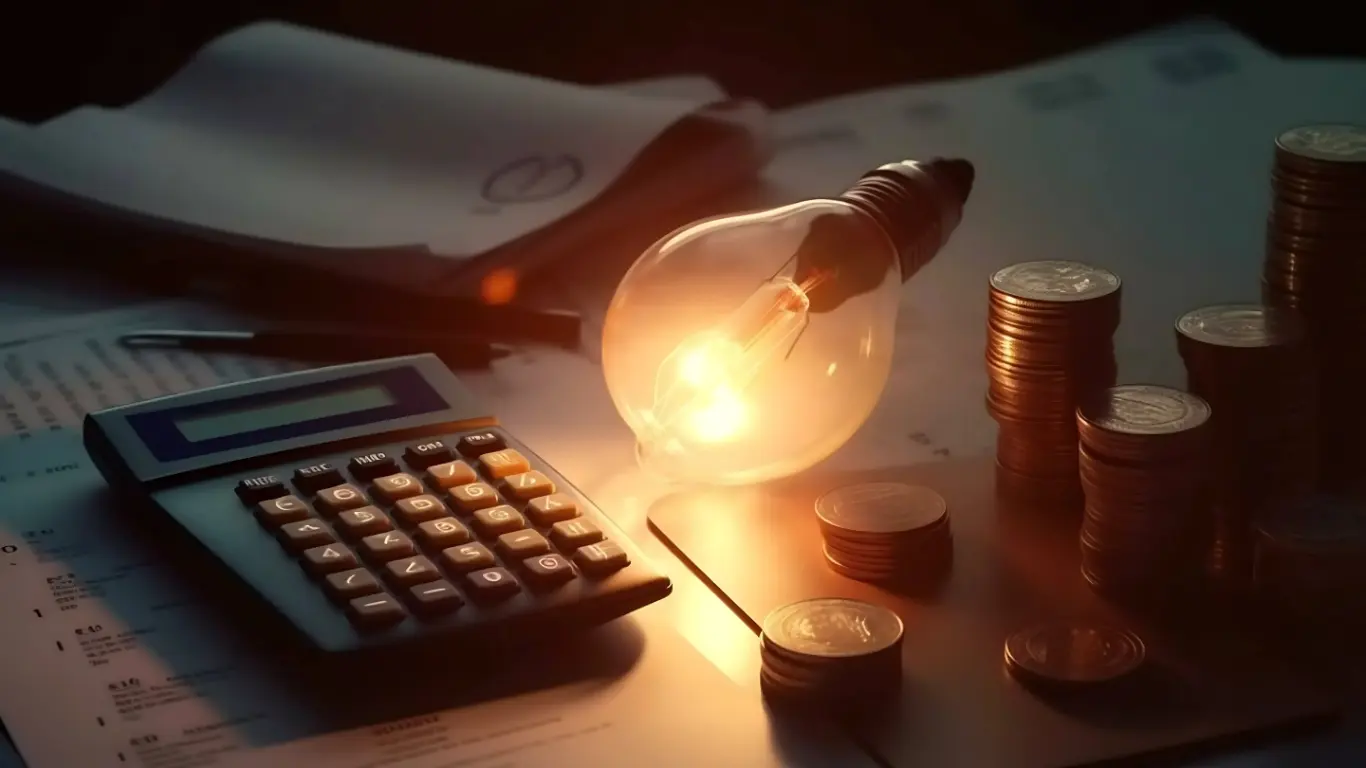
Do you know how much energy you are wasting or saving? Maybe you only analyze this when you receive the electric bill?
Everything helps.
This expression, which may sound old, is still appropriate when talking about energy consumption. Small daily actions are those that provide long-term benefits.
But which one to start with? If you still don’t know whether to optimize the air conditioning system or automate the lighting operation, you can consider hiring an energy audit.
What is an energy audit?
An energy audit is a comprehensive evaluation of your facilities to identify savings opportunities and improve energy efficiency. It is like an x-ray that allows us to know all the key aspects of your energy consumption.
It is a vital step for many companies that want to address the way they consume energy in their business.
What is an energy audit for?
By studying facility operations, data is collected, equipment inspections are performed, and system performance is tested. With all this analysis you will obtain a clear image of where to start addressing the energy management of your facilities following three clear objectives:
- Cost savings: An energy audit will help you identify the points where you can reduce energy consumption and, therefore, save on your electricity bill. Imagine what you could do with that extra money in your business.
- Energy efficiency: You will discover areas where you can optimize energy use, from lighting to air conditioning systems. This will not only save you money, but also reduce your environmental impact.
- Legal compliance: In Spain, current legislation requires large companies to carry out energy audits. Complying with these legal requirements will avoid sanctions and position you as a company committed to sustainability.
What is the best time to do an energy audit?
We recommend two great moments.
Works in the facilities → Renovation or opening: If you are thinking about remodeling your store or opening a new location, this is the perfect time to carry out an energy audit. This way, you can implement efficient measures from the beginning and avoid unnecessary expenses in the long term.
If you have been working in energy management for some time, construction is the perfect time to apply your own criteria for efficient installations.
Regulation changes: If legislation has changed recently, it is important that you make sure your business complies with the new requirements. An energy audit will provide you with the necessary tools to adapt to regulatory changes.
Energy Audit Vs Energy Certification
No. It’s not the same
Energy performance certification and audit are two different concepts, although they are related.
The energy performance certification is a process to evaluate and rate the level of energy efficiency of a building. This certificate provides a score and offers, for example, information on estimated energy consumption and recommendations.
On the other hand, the energy audit is a more exhaustive and detailed study of the energy consumption of a building, a facility or a business. An energy audit provides specific recommendations and detailed measures to optimize energy performance and reduce costs.
The audit has already been done. And now what?
Once an energy audit has been completed at your facilities, it is important to take concrete actions to make the most of the results obtained.
Here are 3 key steps you can follow:
- Implement the recommendations
Use the audit findings and recommendations to make necessary improvements and changes to your facilities. This may involve updating obsolete equipment and systems, installing more efficient technologies, adjusting lighting and air conditioning, among others. Prioritize the identified measures that provide the greatest energy savings and return on investment. - Establish an action plan
Develop a detailed plan that includes the steps to follow, deadlines and those responsible for each action. Set realistic, measurable goals to monitor your progress as you implement improvements. The action plan will help you maintain focus and organization throughout the energy optimization process. - • Monitor and evaluate
Once you have implemented the improvements, it is essential to continuously monitor and evaluate the energy performance of your facilities.
Use systems such as EMS in your facilities to measure and analyze energy consumption in real time. Here you have information about what an EMS (Energy Management System) is and how it works
This will allow you to detect deviations and take corrective measures when necessary. Additionally, conduct periodic evaluations to measure results and adjust your strategies accordingly.
Remember that an energy audit is only the first step. The key is to use that information to develop a strategic energy plan.

Recommended for you


You deserve a facility management system that works with you
Request a free demo and discover how other maintenance, sustainability, and energy efficiency teams are achieving real results. No unnecessary complexity. Just a clear roadmap designed to scale with you.




