
BACS systems and energy sustainability in non-residential buildings
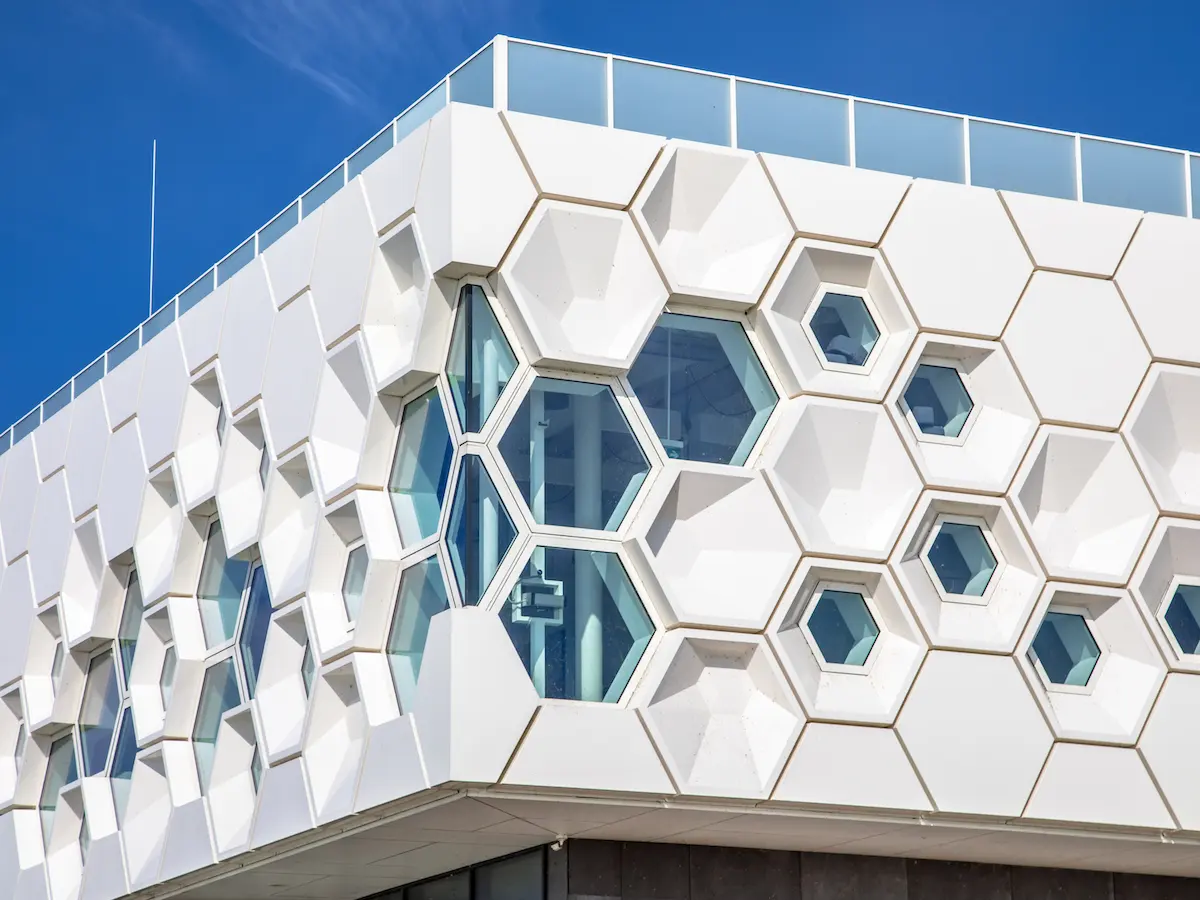
Energy consumption in buildings plays a crucial role in the fight against climate change. In Europe, buildings represent about 40% of the energy consumed and generate approximately 36% of CO₂ emissions. Within this panorama, the tertiary sector, which includes offices, supermarkets, shops and hotels, is one of the most responsible for this consumption.
To optimize energy use and reduce its environmental impact, Building Automation and Control Systems (BACS) have become a key solution. These systems allow the different equipment and facilities of a building to be managed intelligently and centrally, ensuring efficient operation and reducing energy waste.
Thanks to this automation, not only a significant saving in energy consumption is achieved, but also a more comfortable and safer environment for those who occupy these spaces. Implementing a BACS not only represents progress in terms of sustainability, but also represents a profitable investment with an economic return in the short and medium term.
What are BACS systems and how do they improve building efficiency?
Building Automation and Control Systems (BACS) are technological solutions that optimize the operation of technical systems within a building, improving their energy efficiency and operational efficiency. They function as the “brain” of the smart building, ensuring that everything works in a coordinated, safe and comfortable way for the occupants.
These systems integrate sensors, actuators, controllers and software to automate and monitor key aspects such as heating, ventilation and air conditioning (HVAC), lighting, electricity consumption, domestic hot water and other subsystems. Thanks to this technology, a BACS is capable of regulating the temperature automatically depending on occupancy and outdoor conditions. It also manages the building’s lighting, turning lights on or off depending on the presence of people to avoid unnecessary consumption. In addition, it optimizes air quality, adjusting flow rates according to environmental quality, and is capable of detecting and correcting failures in technical systems in real time. All this translates into less energy waste and greater control over the building’s performance without compromising the comfort of its users.
The European Energy Performance of Buildings Directive (EPBD) defines BACS as systems that combine products, software and services that allow automated and efficient management of a building’s technical systems. Its implementation not only allows significant savings in energy consumption, but also improves the operational management of the building, facilitates maintenance and contributes to sustainability.
Differences between BACS and BMS: Beyond automation
In the sector, the term BMS (Building Management System) is often used as a synonym for BACS, but although they share similarities, they are not exactly the same.
The BACS focuses mainly on the automation and optimization of energy use. Its objective is to guarantee energy efficiency and occupant comfort through automatic control of the building’s technical systems, such as air conditioning, lighting and ventilation.
On the other hand, the BMS is not only responsible for energy efficiency, but also covers the comprehensive management of the building. In addition to controlling air conditioning and lighting, a BMS can take care of aspects such as security and access control, managing video surveillance, alarms, and building entrances and exits. It also allows space and occupancy management, optimizing the distribution of offices, meeting rooms and other areas. Likewise, it facilitates advanced asset monitoring, supervising the status of elevators, refrigeration or industrial refrigeration systems and critical equipment. In addition, it can integrate with other business management systems, such as ERP and predictive maintenance, offering a more strategic view of the building’s operation.
While a BACS acts as the building’s nervous system, ensuring that its essential functions are energy efficient, a BMS is like the global brain, not only managing energy efficiency but also coordinating all building operations.
Both systems can coexist and complement each other, but a BACS is essential to guarantee energy optimization, while a BMS allows broader and centralized management of all the building’s infrastructure.
Benefits of BACS systems in tertiary buildings
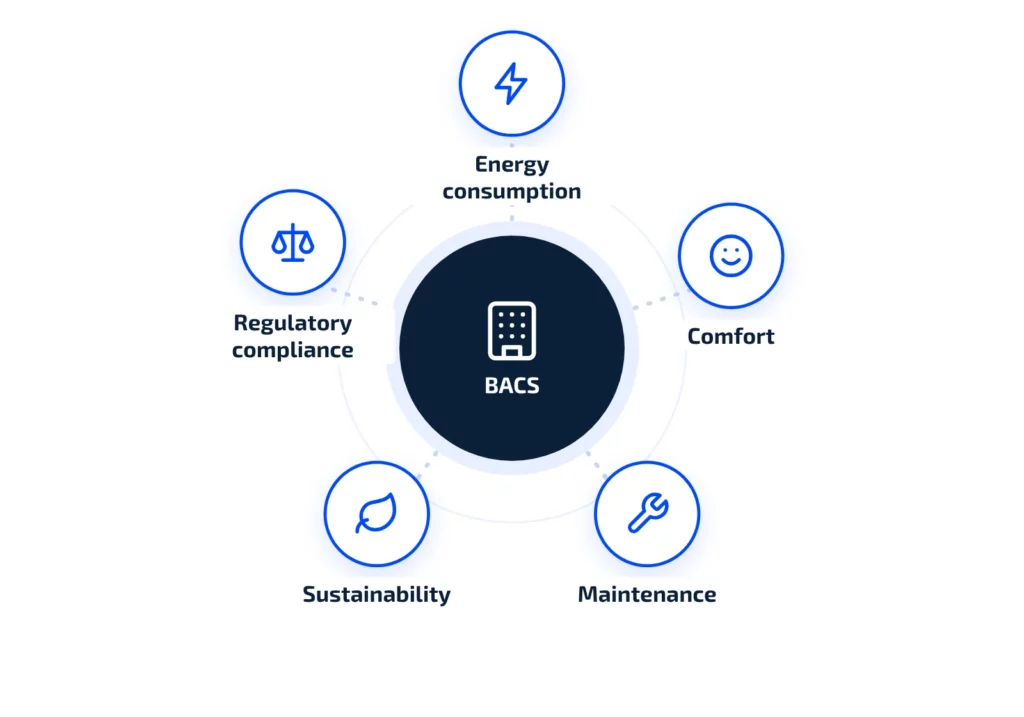
The incorporation of a Building Automation and Control System (BACS) transforms the way in which properties in the tertiary sector are managed. Its implementation not only optimizes energy consumption, but also improves the operation, comfort and sustainability of the building.
Energy savings and cost reduction
One of the most obvious benefits of a BACS is its ability to minimize energy consumption. By automatically managing the air conditioning, lighting and ventilation systems, it avoids waste and adjusts energy use according to the building’s real demand. This results in a significant reduction in operating costs, allowing companies to recover their investment in a relatively short period.
Greater comfort for occupants
The well-being of those who work or visit the building is another key aspect. A BACS maintains optimal environmental conditions at all times, automatically regulating temperature, humidity and lighting. By adapting these parameters in real time and according to the needs of each area, uncomfortable fluctuations are avoided and a more pleasant and productive environment is created.
Efficient maintenance and extension of the useful life of equipment
Intelligent system monitoring allows failures to be detected before they become major problems, reducing the need for costly repairs and prolonging the life of equipment. Thanks to the continuous analysis of performance, technicians can schedule preventive maintenance instead of reactive ones, avoiding unforeseen events and optimizing the operation of the building.
Regulatory compliance and environmental certifications
Energy efficiency regulations are increasingly demanding, and BACS facilitate compliance with these requirements by guaranteeing rational use of energy. Furthermore, its implementation can be decisive in obtaining recognized environmental certifications, which not only improves the reputation of the building, but also makes it more attractive to investors and users committed to sustainability.
Sustainability and reduction of environmental impact
Reducing energy consumption also implies a lower carbon footprint. By making more efficient use of resources, a BACS contributes to the sustainability of the building and supports global emissions reduction goals. This not only benefits the environment, but also allows companies to align their management with ecological responsibility policies.
Optimization of operational management
A BACS offers a centralized, real-time view of the status of the building’s systems, facilitating strategic decision-making. By having accurate data on the energy performance and operation of facilities, managers can act more quickly and efficiently, improving planning and reducing errors.
Regulatory compliance of BACS systems
European and Spanish legislation requires the installation of BACS systems in large tertiary buildings before 2025. The Directive (EU) 2018/844 requires buildings with thermal power greater than 290 kW to have automation and control to improve energy efficiency. For its part, in Spain, the Royal Decree 178/2021 adapts this regulation in the RITE, establishing that these systems must monitor and optimize energy consumption, detect inefficiencies and propose improvements and integrate equipment from different manufacturers.
Buildings with advanced BACS can even replace mandatory energy inspections. In addition, several autonomous communities offer subsidies for their installation.
BACS, sustainability and environmental certifications
Automation through BACS systems is key in the decarbonization and energy efficiency strategy of tertiary buildings. By reducing energy consumption, they directly reduce CO₂ emissions, contributing to the EU’s goals of climate neutrality by 2050.
In addition to energy savings, BACS facilitate the integration of renewable energies. They can schedule consumption such as hot water production or electric vehicle charging to coincide with times of maximum solar generation or adjust energy use to the most efficient and economical schedules.
In terms of environmental certifications, BACS play a key role in LEED and BREEAM, improving the score in energy, comfort and management categories. A building with intelligent monitoring and control easily meets the measurement, efficiency and sustainability requirements required to obtain these certifications.
In addition, BACS are essential for buildings seeking to become nearly zero energy buildings (nZEBs) or even positive energy buildings, optimizing every aspect of consumption to maximize efficiency.
Implementing BACS not only reduces the environmental impact, but also prepares buildings for an intelligent and connected future, where automation will be a fundamental pillar in urban energy management.
How can OTEA help you?
At EcoMT we are experts in the implementation of BACS/BMS systems aimed at improving energy efficiency in buildings in the tertiary sector. Our OTEA platform centralizes the intelligent control of all facilities – air conditioning, lighting, self-consumption, air quality, among others – allowing real-time monitoring, automation to reduce costs and compliance with regulations such as UNE-EN ISO 52120 and the TER050 factsheet, key to obtaining Energy Savings Certificates (CAE).
Turn your facilities into energy efficient assets, with a quick return on investment and certifications such as LEED or BREEAM.
Contact us. We are your strategic partner in efficiency, automation and sustainability.

Recommended for you


You deserve a facility management system that works with you
Request a free demo and discover how other maintenance, sustainability, and energy efficiency teams are achieving real results. No unnecessary complexity. Just a clear roadmap designed to scale with you.




