
What is a smart city and how will it shape the urban future

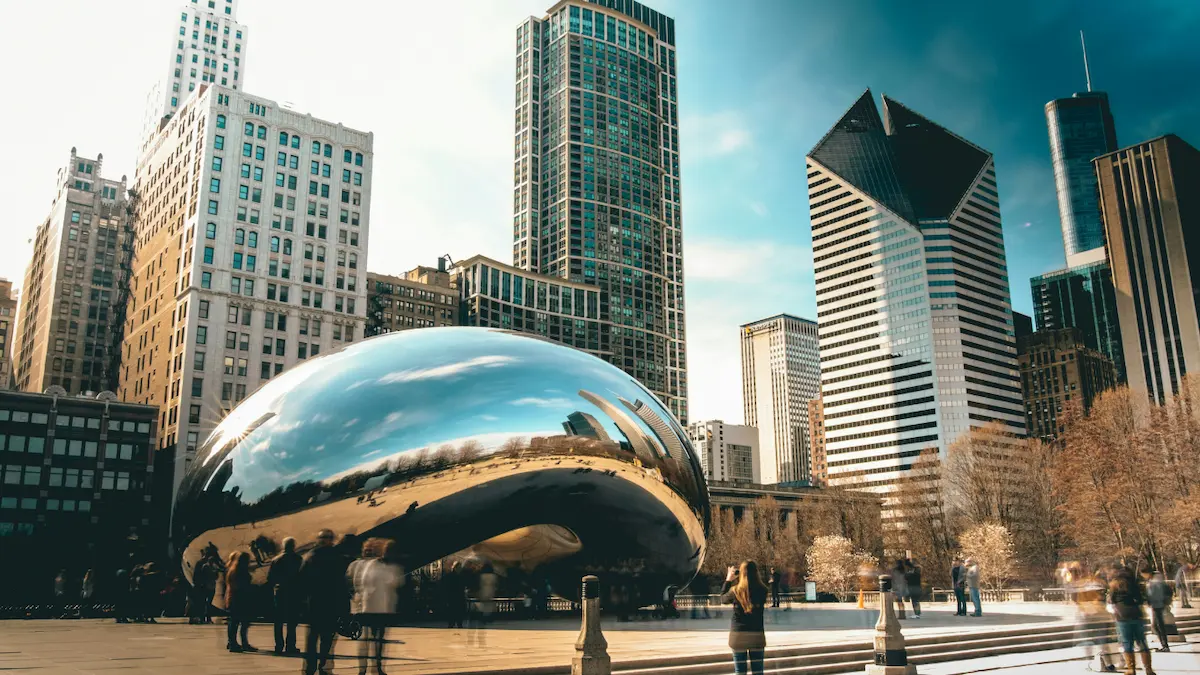
The European Union aims to reduce emissions by at least 55% by 2030 and achieve neutral emissions by 2050.
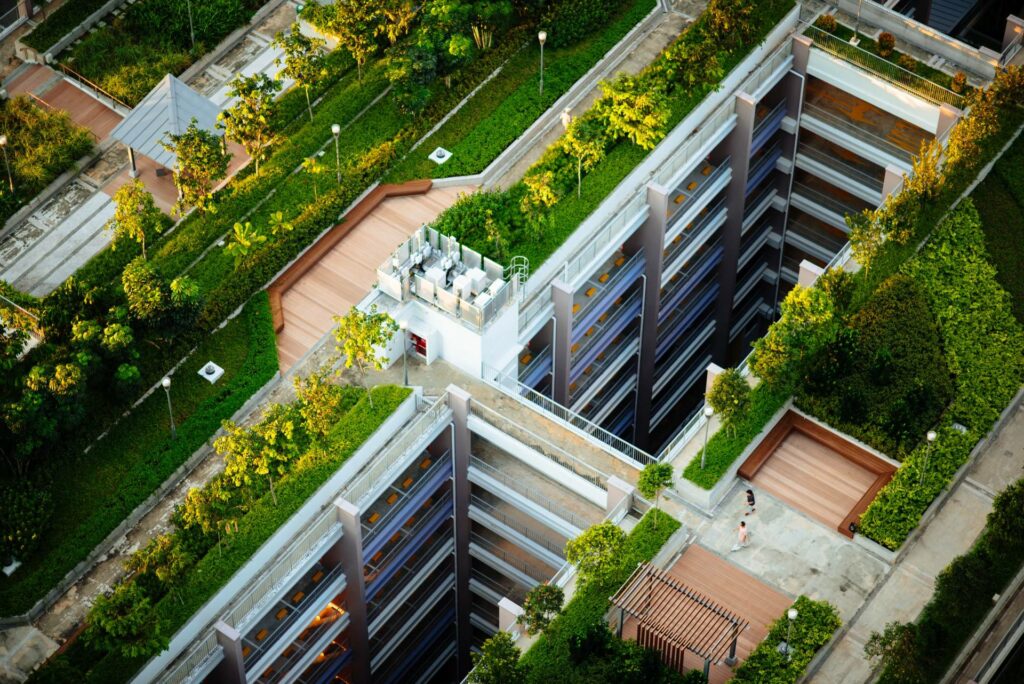
To achieve this objective, in countries like Spain a Climate Emergency has been declared and a Climate Change Law has been approved. However, an alliance between people, politicians and institutions is needed to consolidate the transition towards sustainability.
The EU has allocated a historic budget for digitalization and sustainability in the Recovery Plan, which offers a unique opportunity to build a city model oriented towards 2050.
Cities of all types are rethinking their city model towards smart cities, intelligent cities in which people and sustainability are at the center.
Smart city: what is a smart city and why does it matter
A smart city is defined as a complex and interconnected system that uses automation technologies and data analysis to manage everything from services such as the operation of public lighting, to the energy efficiency of buildings, including transportation, or different areas of interaction of the city such as: environment, water, education, housing and energy.
Currently hundreds of cities around the world are committed to becoming sustainable cities and meeting objectives such as:
- Reduce carbon dioxide (CO2) emissions
- Use 100% green energy, promoting the use of renewable energy.
- Reduce the water footprint.
- Reduce energy consumption by applying energy efficiency measures in public buildings.
- Improve people’s quality of life by rehumanizing cities thanks to concepts such as the 15-minute city.
The value of smart public buildings in smart cities
There are different models on which a smart city can be developed: environment, mobility, governance, economy, people and housing.
For a city to be considered a smart city there is a key issue: energy. The source matters, how it is produced and how it is used in cities. Here the use of renewable sources such as solar energy or hydrogen and smart grid or intelligent networks come into play, which automatically regulate the supply and demand of energy in public buildings.
The use of renewable energy is as important as reducing the energy demand of public buildings. Sometimes these buildings do not have an energy efficiency plan and their operation, from an energy point of view, is deficient.
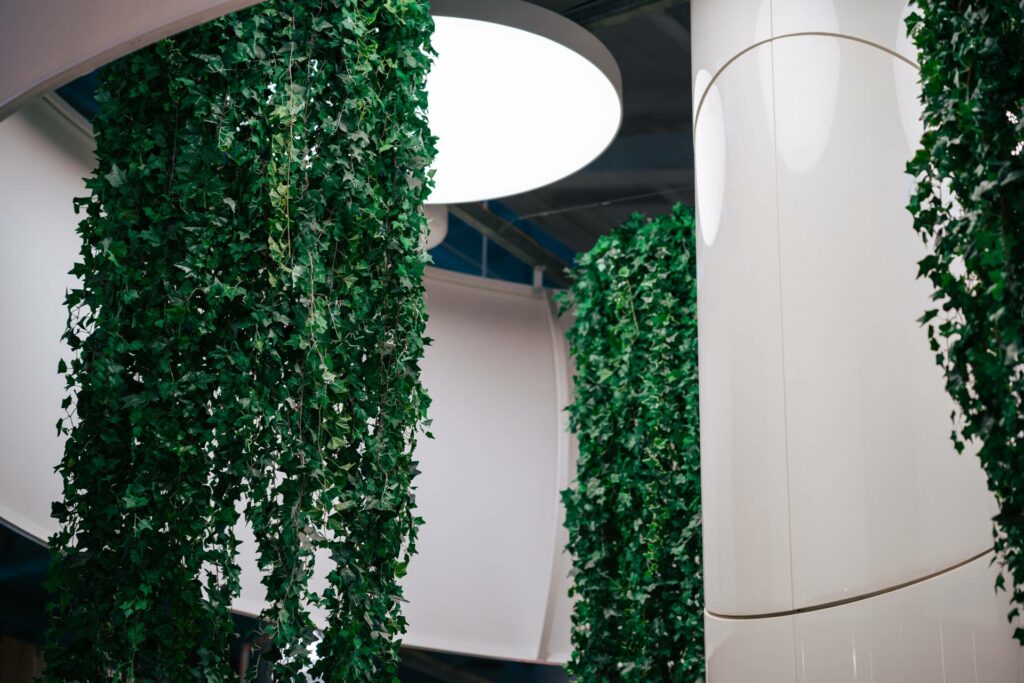
To improve the management of urban services and energy efficiency in public buildings, the CTN Technical Standardization Committee of the Spanish Standardization Association (UNE) has developed technical standards 178 for smart cities.
One of the most important is the UNE 178108 Standard, which focuses on smart buildings as IoT nodes, key to providing relevant information and improving the quality of life of citizens. The standardization of automation systems in buildings, led by Spain, is essential to connect applications and services, ensuring security and compatibility. The integration of building information as IoT nodes improves quality of life and optimizes urban services.
Spanish smart cities at the forefront of Europe
During recent years, small and large cities have been building their own smart city model. A model in continuous evolution that improves day by day with the implementation of new ideas and technology.
To find out which cities are the most advanced, IESE produces a report every year called IESE Cities in Motion. This ranking includes ten Spanish cities such as Madrid, Málaga or A Coruña.
Smart City Malaga
SmartCity Málaga is a consortium of eleven companies led by Endesa that has represented one of the main initiatives to explore eco-efficient city models. Its objectives were to increase energy efficiency, reduce CO2 emissions and increase the consumption of renewable energy. The SmartCity Málaga area covers 4 km2 on Misericordia beach and encompasses 11,000 residential customers and 1,200 industrial and service clients.
Smart City Madrid
The urban transformation of Madrid Nuevo Norte is turning the Spanish capital into an authentic smart city, whose objective is to put people at the center of decision-making, introduce improvements in their quality of life and achieve a more efficient environment from an environmental and social point of view.
The MNN area has more than 400,000 m2 of green areas, 13 km of bike paths and is already putting the idea of a 15-minute city into use.
Smart City Coruña
Formed by a joint venture, Smart City Coruña has launched an ambitious set of technological solutions. Among them, OTEA stands out, which functions as a true “brain of the city.” The platform collects millions of data points through multiple sensors and devices spread across 54 public buildings to process it and convert it into useful information for citizens and the administration.
Recommended for you


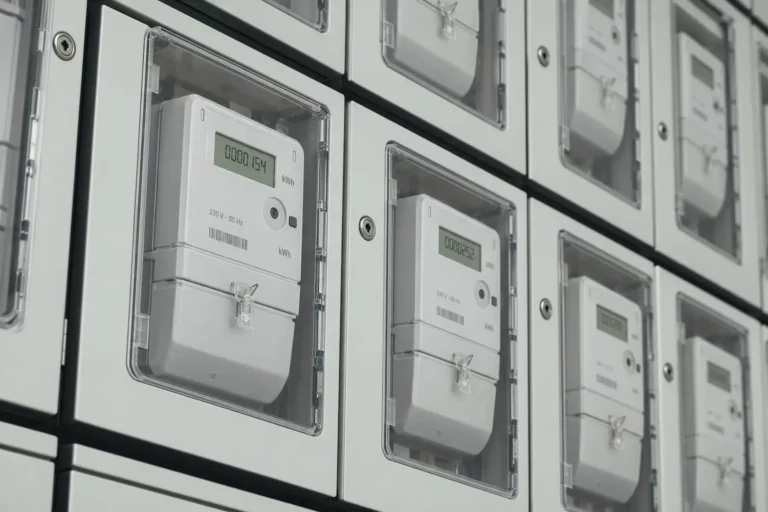
You deserve a facility management system that works with you
Request a free demo and discover how other maintenance, sustainability, and energy efficiency teams are achieving real results. No unnecessary complexity. Just a clear roadmap designed to scale with you.



