
Digital twins and IoT How they work together to transform industry

When we talk about digital transformation in companies, two terms always appear that are gaining more and more prominence: Digital Twin and Internet of Things (IoT). And although they are sometimes mentioned together, the truth is that they are very different technologies with specific purposes. But here comes the interesting thing: when you combine them, when you work with both in an integrated way… that is when you achieve optimization and prediction capabilities that neither of them can offer separately.
If you are looking for ways to reduce your company’s energy consumption, improve the maintenance of your facilities or simply digitize your operations, understanding how these two technologies work (and, above all, how they enhance each other) will give you a great competitive advantage. Let’s see it step by step.
What is the Internet of Things (IoT)?
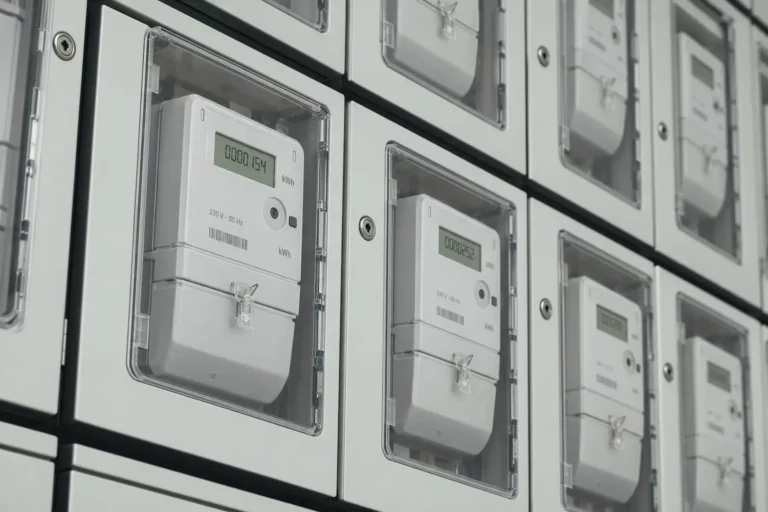
The IoT, or Internet of Things, is basically the network of physical devices that connect to each other and to the Internet to share information. Think about sensors that measure temperature, smart meters that record consumption, or systems that detect how many people are in a room. All of these devices collect data from their operating environment and send it to digital platforms where we can analyze it.
The good thing about IoT is that it turns any object without processing capacity into a smart device. A simple thermostat no longer only regulates temperature; Now it can learn patterns, adjust automatically, and notify you if it detects any issues.
IoT applications in industry
In the industrial world, IoT has become essential. Here are some examples of what you can do:
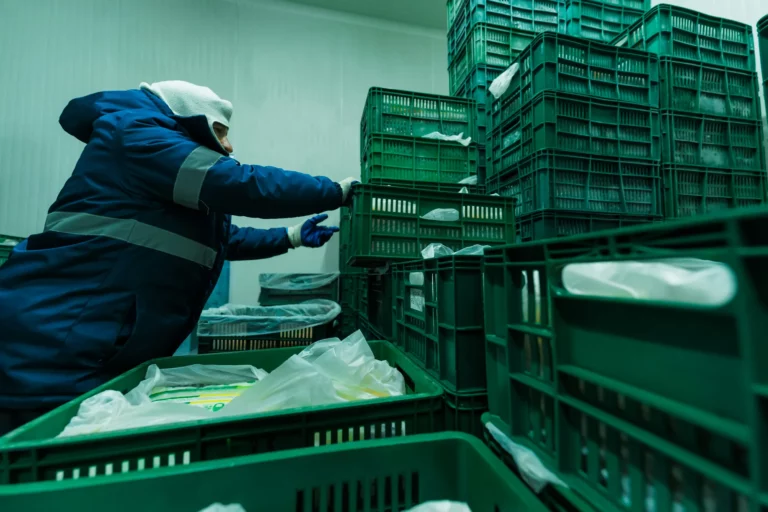
- Real-time monitoring is probably the most obvious. IoT sensors can track the energy consumption of each machine, the temperature of cold storage warehouses or the noise level in a production plant. And you see all this from your cell phone or laptop, without having to be physically there.
- Remote maintenance is another notable application. Why send a technician every time something needs to be adjusted if you can do it from the office? With IoT devices you can control and modify equipment parameters without leaving the site. This saves time, money and, let’s be honest, a lot of headaches.
- Energy efficiency is where the IoT especially stands out. Energy management systems based on IoT can detect abnormal consumption instantly. Imagine that a machine suddenly starts using twice as much electricity. Without IoT, it could take weeks to notice. With IoT, you know in minutes.
- And then there is asset traceability. In logistics, for example, you can know where each pallet is, what temperature it has been at during transport, if it has been hit… Everything will be automatically recorded.
What is a Digital Twin?
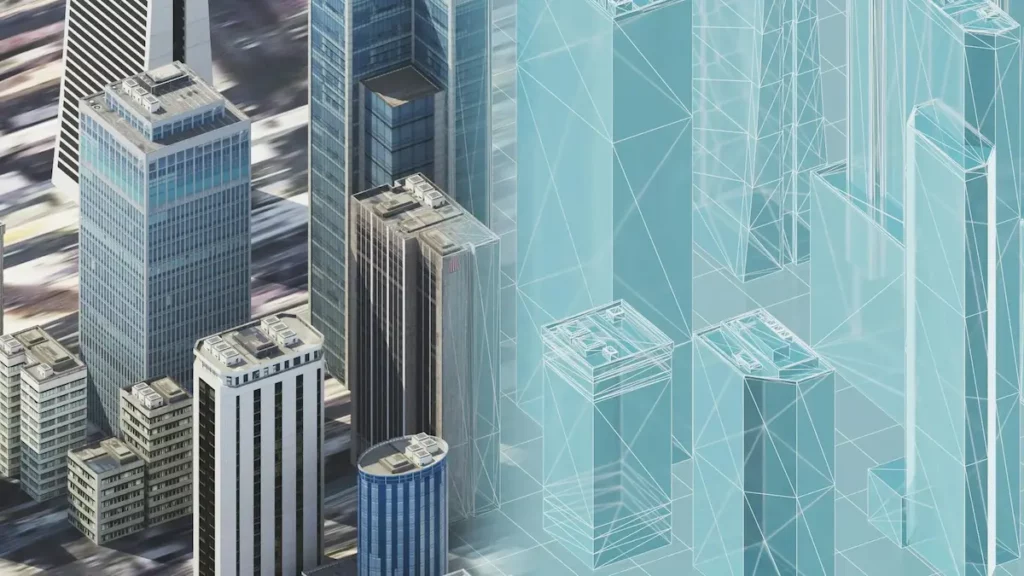
However, the real advance of this technology comes with the digital twin. A digital twin is basically an exact virtual replica of something physical: it can be a machine, an entire building, or even a city. But it’s not just a pretty 3D model. It is a virtual model that is constantly updated with real data and can predict future behavior.
Digital twin technology goes far beyond a simple simulation. While a traditional simulation works with static data, a digital twin is “alive”, receiving continuous information from IoT sensors and adjusting to reality in real time.
How does a digital twin work?
The process has several stages, and it is important to understand the difference between a simple model and a true industry 4.0 digital twin.
First is data collection. The IoT sensors installed on the physical asset constantly collect information: vibrations, temperature, electricity consumption, hours of operation… Everything you can imagine.
Next comes modeling. This is where we create the digital representation of the asset. But be careful, not all digital models are digital twins. A digital model is static, like a 3D plan. A digital shadow already receives data from the real object but only displays it, without deep analysis. The true digital twin not only receives data; It interprets them, learns from them and can predict what is going to happen.
The simulation phase is where its capacity is used the most. The digital twin can run thousands of different scenarios. What happens if we increase production by 20%? What if we change the maintenance schedule? When is this part likely to fail? All this without touching the real system.
For an operations manager, this translates into measurable results: reduction of downtime between 20-70%, improvement of overall equipment effectiveness of 15-30%, energy savings of 10-40%, predictive accuracy of 90-95% with deviations of only ±3-5% compared to the real asset, and real-time synchronization (less than 1 second).
Finally there is optimization. With all the information and simulations, the digital twin can recommend (or even automatically execute) adjustments to improve performance: 20-30% reduction in operating costs, 20-30% improvement in predictions, and 10-40% reduction in maintenance costs. It is the optimization of industrial processes taken to the next level.
IoT and Digital Twin, competition or complementary technologies?
Far from competing, IoT and the Digital Twin are two sides of the same technological coin. To understand it better, let’s think about the human body: IoT devices are the senses (sight, hearing, touch), constantly capturing data from the physical environment. The Digital Twin, for its part, is the brain: it receives this stream of information, processes it, interprets it and allows us to simulate future scenarios to make informed decisions. A brain without senses is isolated; senses without brains do not generate knowledge. Together, they create a conscious and reactive system.
Therefore, the IoT without Digital Twin is like having thousands of eyes watching, but without a brain that processes all that information intelligently. You can see that a machine consumes more energy, but you don’t know why or what to do about it.
Conversely, a Digital Twin without IoT would be like having a super powerful brain, but without real information to process. You could do simulations, yes, but based on assumptions, not real data.
How they are integrated into an industrial environment
The integration flow is quite logical. IoT sensors installed in machines, air conditioning systems, production lines, etc., continuously capture data. This data travels through integration systems to cloud platforms where it is processed and stored.
The twin’s digital model receives this data and uses it to update its status. It’s not just visualization; There is real-time data analytics that identifies patterns, detects anomalies and predicts future behavior.
The simulations run constantly, testing different scenarios based on current data. If the system detects that an optimization strategy can improve performance, it communicates this.
And here comes the best: the feedback to the physical system. The digital twin can send commands back to IoT devices to adjust parameters, change configurations, or activate maintenance protocols. It is a continuous circle of improvement.
Benefits of combining IoT and Digital Twin
When you put these two technologies together, the benefits multiply. Let’s look at some of the advantages of combining both technologies.
- Advanced process monitoring goes far beyond seeing numbers on a screen. With IoT capturing data and the Digital Twin interpreting it, you can understand not only what is happening, but why it is happening and what will happen next. It’s like having a crystal ball based on real data.
- Predictive maintenance is one of the most direct benefits to optimize operations. Systems can anticipate breakdowns and leaks days or weeks in advance. Imagine knowing that a compressor is going to fail within 15 days. You can schedule the repair at a time that does not affect production, have the spare parts ready… It is a total change in how we manage maintenance.
- The cost reduction comes from several fronts. Fewer unscheduled stops, lower energy consumption, more efficient maintenance, better use of resources… The numbers speak for themselves: companies that implement these technologies report savings of 20-30% in operating costs.
- Energy and operational optimization is another strong point. The digital twin can simulate different energy management strategies and choose the most efficient one. For example, you can adjust the climate control based on expected occupancy, weather, and electricity rates, all automatically.
- Scenario simulation and strategic planning allows you to test changes before implementing them. Do you want to change the layout of your plant? Try it on the digital twin first. New work shifts? Simulate how it will affect productivity and energy consumption.
- The improvement of quality and industrial performance is continuous. The system constantly learns, identifying micro-optimizations that traditional maintenance might miss. Small adjustments that, added together, generate big improvements.
- And of course, decision making based on real-time data. It is no longer intuition or experience. Now you have accurate data, real projections and recommendations based on a multitude of data points.
Examples of joint application
Let’s now look at some specific cases where this combination is making a difference.
Industry and production processes
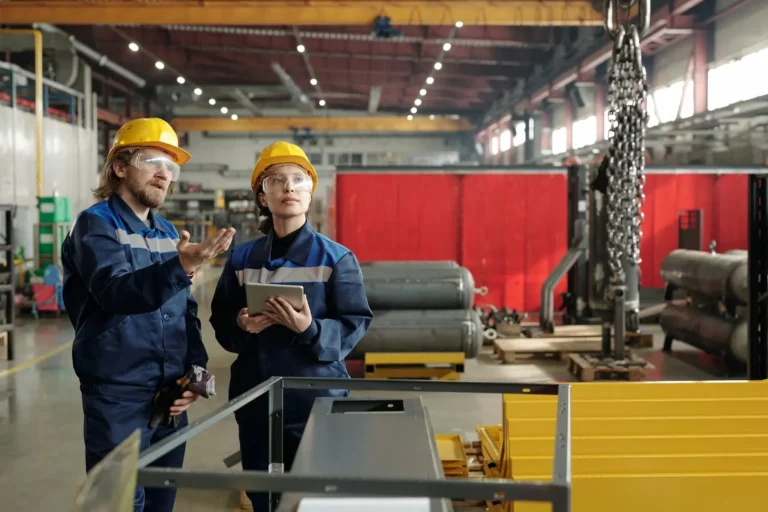
In manufacturing plants, the IoT-Digital Twin combination is revolutionizing production. Sensors in each machine monitor vibrations, temperature, speed… The plant’s digital twin analyzes this data along with orders, inventory and forecast demand to optimize production in real time.
A real example: an automotive plant uses its digital twin to simulate the impact of introducing a new model to the production line. They can see bottlenecks before they occur, adjust robot programming, and optimize material flow. Everything virtually, without stopping real production for a minute.
Buildings and energy
Smart buildings and their energy efficiency are probably where the impact of this combination is most noticeable. IoT sensors throughout the building monitor temperature, humidity, CO2, occupancy, electricity consumption…
The building’s digital twin uses this data to create intelligent ecosystems that self-optimize. For example, you can predict meeting room occupancy based on historical patterns and calendars, adjusting climate control in advance. Or detect that an area consumes more energy than normal and alert of a possible air conditioning leak.
An interesting real case is that of large commercial stores that use digital twins to optimize both customer comfort and energy consumption. The system balances temperature, lighting and ventilation according to the influx of public, the time of day and even the type of products in each area.
Smart cities
On a city scale, things get even more interesting. Digital twins of cities integrate data on traffic, energy consumption, air quality, waste management…
A notable example in Spain is A Coruña, which through its initiative Coruña Smart City has developed a technological platform that functions as the “brain” of the city, a precursor to a digital twin. This platform integrates data from traffic sensors, free parking spaces, public lighting consumption or even intelligent irrigation of parks. This allows, for example, to guide drivers to available parking spaces or to adjust the intensity of streetlights depending on the time of day and traffic.
Similarly, Barcelona has a digital twin that integrates data from parking sensors, smart traffic lights, weather stations and water meters. This allows you to optimize garbage collection routes according to the actual filling of containers, adjust traffic lights to reduce traffic jams, or predict flooding in the event of heavy rain.
Singapore goes a step further with a complete digital twin of the entire city-state. They use it to simulate the impact of new construction on wind flow (important for natural cooling), plan emergency evacuations, and even predict the spread of disease.
Current difficulties and limitations
Obviously, not everything is rosy. Implementing these technologies has its challenges, and it is better to know them beforehand.
- The implementation cost can be considerable. It is not just acquiring sensors; you need network infrastructure, management platforms, cloud storage, trained personnel… For an SME, the initial investment may seem prohibitive. Although, to be fair, costs have gone down a lot and there are pay-as-you-go options that make access easier.
- Interoperability is another common headache. You have sensors from one manufacturer, PLCs from another, management software from a third party… And making everything “talk” to each other can be complicated. Fortunately, standards and platforms are emerging that facilitate this integration, but it remains a challenge.
- Data management becomes complex quickly. An industrial IoT system can generate terabytes of data per day. Storing them, processing them, analyzing them… requires serious infrastructure and specific knowledge. And let’s not forget compliance with regulations such as the GDPR (General Data Protection Regulation).
- Cybersecurity is perhaps the most serious concern. Every IoT sensor is a potential entry point for hackers. And a digital twin contains invaluable information about your operations. You need robust security measures, constant updates, and vigilant staff. Technological maturity also varies greatly. While some sectors have been working with these technologies for years, others are just beginning. Finding reliable suppliers, proven use cases in your specific industry, can be difficult. And there is always the risk of being a “guinea pig” with technologies that are not yet mature.
Why their union drives the transformation towards industry 4.0
In conclusion, the combination of IoT and Digital Twin is not just a technological fad. It is a fundamental change in how we understand and manage our assets, systems and infrastructure.
Industry 4.0 represents the definitive fusion between the physical and digital worlds. And these two technologies are the pillars of that union. The IoT digitizes the physical world, turning it into data. Digital twins make sense of that data, turning it into knowledge and actions.
This union allows something that was previously impossible: truly intelligent and predictive management. We no longer react to problems; we anticipate them. We don’t optimize based on averages; We customize according to real conditions. We do not make decisions with partial information; we have a complete and updated vision up to the second.
Companies that adopt this technological combination are seeing real results. Reduction of downtime up to 50%. Energy savings of 20-30%. Productivity improvements of 15-25%. And this is where platforms like OTEA are making a difference, making it easier for companies of all sizes to access these technologies without the typical implementation complexity.
OTEA does not act as a digital twin, but it is an essential piece within the ecosystem that makes it possible to take advantage of them. The platform centralizes data from any sensor, meter or IoT device, regardless of brand or protocol, and converts it into structured, accessible and coherent information.
This solves one of the biggest challenges prior to the deployment of advanced solutions such as digital twins: having reliable, unified and real-time data. With OTEA, companies obtain a solid layer of energy monitoring and control that can later be integrated with specialized digital twin platforms if needed.
The value is that OTEA simplifies the capture, standardization and exploitation of data. It allows you to view consumption, detect anomalies, automate alerts and make more informed decisions from day one, without the need for complex technical knowledge.
Companies such as Lupa (supermarkets), Saltoki (with its photovoltaic plants) or retail chains are using OTEA to create their digital twins and see results from the first month. The platform takes care of all the complex technical part: device integration, data processing, creation of the digital twin, real-time data analytics… You only worry about making decisions based on the information it provides you.
And, in a world where sustainability is no longer optional and efficiency is survival, mastering the synergy between IoT and Digital Twin is not only a competitive advantage. It is simply the way forward. From an ESG and Net Zero perspective, this combination allows you to simulate decarbonization strategies before implementing them, calculate the CO₂ footprint in real time and optimize load curves to reduce energy consumption in the highest cost periods. The difference is that now, with solutions like OTEA, you do not need large investments or specialized technical team to get started.
The good news is that it has never been more accessible to take the leap. OTEA offers a pay-as-you-go model that eliminates barriers to entry, ongoing support so you never feel alone in the process, and proven success stories across multiple sectors. In addition, by being certified with ISO 27001 and complying with the strictest regulations, you eliminate concerns about cybersecurity and regulatory compliance.
So the question is not whether you should explore IoT and Digital Twins, but when you are going to start. Because while you think about it, your competition may already be optimizing their operations, reducing costs and improving their carbon footprint with their digital twin. And with platforms like OTEA, there really is no excuse not to take the step towards true digital transformation.
Recommended for you

You deserve a facility management system that works with you
Request a free demo and discover how other maintenance, sustainability, and energy efficiency teams are achieving real results. No unnecessary complexity. Just a clear roadmap designed to scale with you.



