
How LEED certification works and which projects qualify

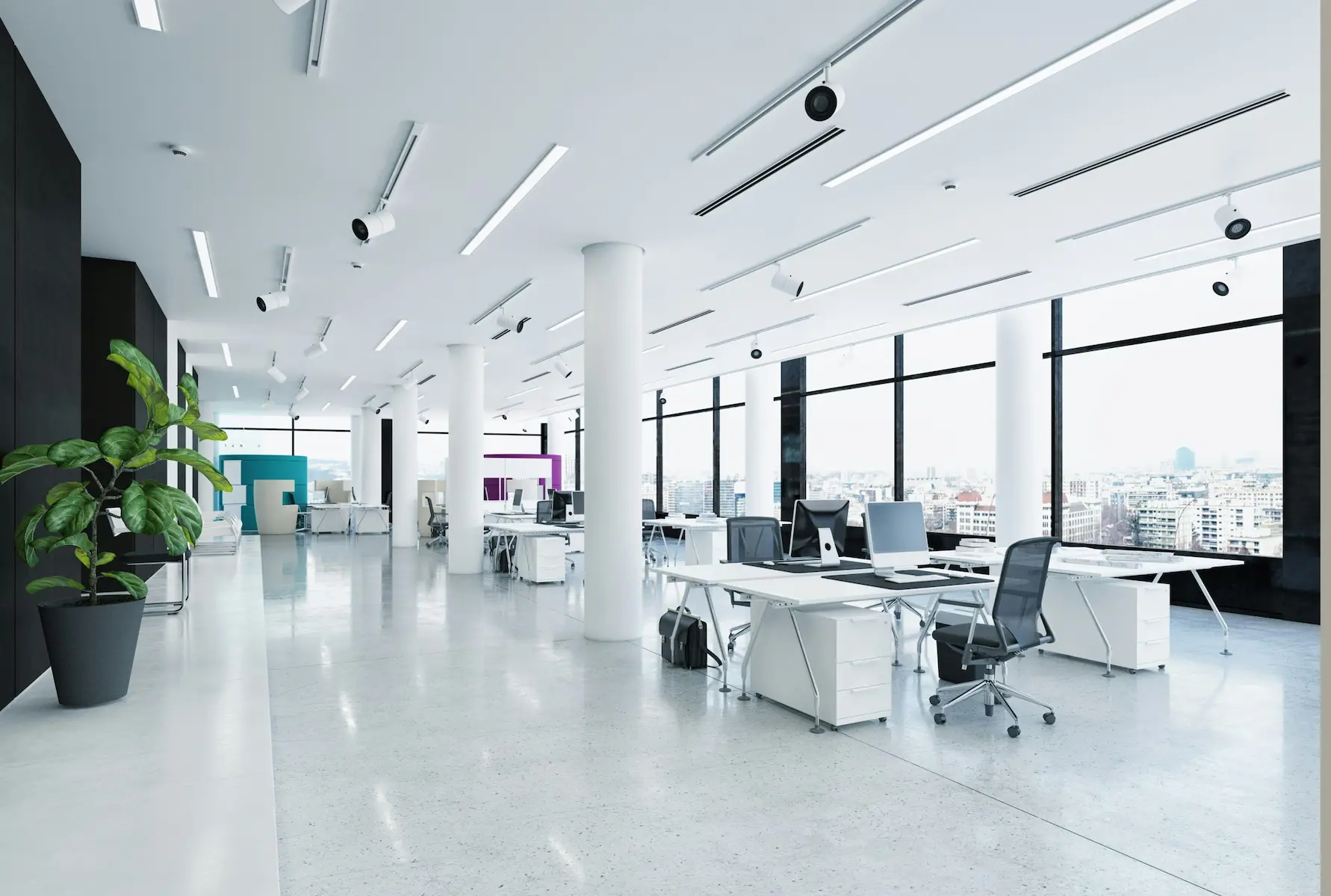
LEED Certification is reshaping not only the construction industry, but also our impact on the planet. Founded in the 90s by the U.S. Green Building Council, this certification rewards buildings prepared to improve energy efficiency, reduce greenhouse gases and create healthier spaces for their users.
LEED Certification: promoting sustainability in construction.
LEED Certification, whose acronym in English stands for “Leadership in Energy and Environmental Design”, is already a widely recognized distinction in the world of sustainable construction. Issued by the United States Green Building Council, this certification represents a tangible commitment to the environment and energy efficiency in construction projects.
LEED Certification, founded in 1993, has become a global standard that supports sustainable practices in the construction of various properties. Currently, more than 80,000 projects in 162 countries have obtained this prestigious certification. Thebenefits that accompany LEED certified projects are significant and include economic savings, improvements in energy efficiency, reduction of greenhouse gas emissions and the construction of more comfortable and beneficial spaces for users.
How does LEED certification work?
LEED certification works through a scoring system that places projects in four levels. Points are earned by measuring carbon footprint, water footprint, accessibility, materials, and quality of the indoor environment. In this way, not only the way in which the project was planned and built is evaluated, but also its lifespan and its past, present and future impact on its environment.
Of the points mentioned above, 35% are related to climate change, 20% to the quality of life of its users, 15% to water resources, 10% to its impact on biodiversity, 10% related to the green economy, 5% to the impact on the community and the remaining 5% to the impact on natural resources.
The total points can place the project in simply Certified, from 40 to 49 points, Silver from 50 to 59 points, Gold from 60 to 79 and Platinum with more than 80 points.
LEED Certification works as a scoring system that classifies projects into four different levels. Points are obtained by evaluating factors such as carbon footprint, water footprint, accessibility, materials used and the quality of indoor environmental conditions. Thus, it not only evaluates the planning and construction of the project, but also takes into account the complete life cycle of the project and its environment.
This is how the total commented points are divided:
- 35% is allocated based on the impact on climate change
- 20% is related to improving the quality of life of the occupants
- 15% focuses on the responsible management of water resources
- 10% evaluates the impact on biodiversity
- 10% refers to green economy practices
- 5% analyzes the impact on the local community
- 5% takes into account the impact on the natural resources.
The total sum of points determines the certification level of the project, which can vary from a simple “Certified” with 40 to 49 points, through “Silver” with 50 to 59 points, “Gold” with 60 to 79 points and, finally, reaching the highest distinction “Platinum” with more than 80 points.
Different types of LEED projects
LEED certification is not only for buildings under construction, it includes all phases of the different projects. Thus, depending on the nature of each property it can be classified into different categories.
- Architectural Design and Construction
This category applies to projects ranging from architectural planning of new construction to major renovations. It includes a wide range of properties, from service buildings to hospitality establishments and work spaces.
- Interior Design and Construction
Interior design projects, which can range from commercial spaces to hospitality facilities, find their place in this category.
- Property Operations and Maintenance
This category focuses on properties already in operation that seek to adopt responsible practices in their daily routine to maintain and improve their environmental performance.
- Neighborhood Development
Evaluates new urban developments that combine residential and non-residential uses, whether they are planned from scratch or seek to implement sustainable practices in their daily operations.
- House
There is a specific category within the LEED certification dedicated to private and multi-family homes, regardless of their scale, that wish to adopt sustainable practices.
- Cities and Communities
This category addresses urban developments that can range from sections of a city to entire communities, promoting sustainable practices on a broader level.
- LEED re-certification
It serves to maintain certification in already certified projects, ensuring that they continue to meet sustainability standards over time.
- LEED Zero
This category focuses on projects that strive to achieve a neutral carbon footprint as their primary goal.
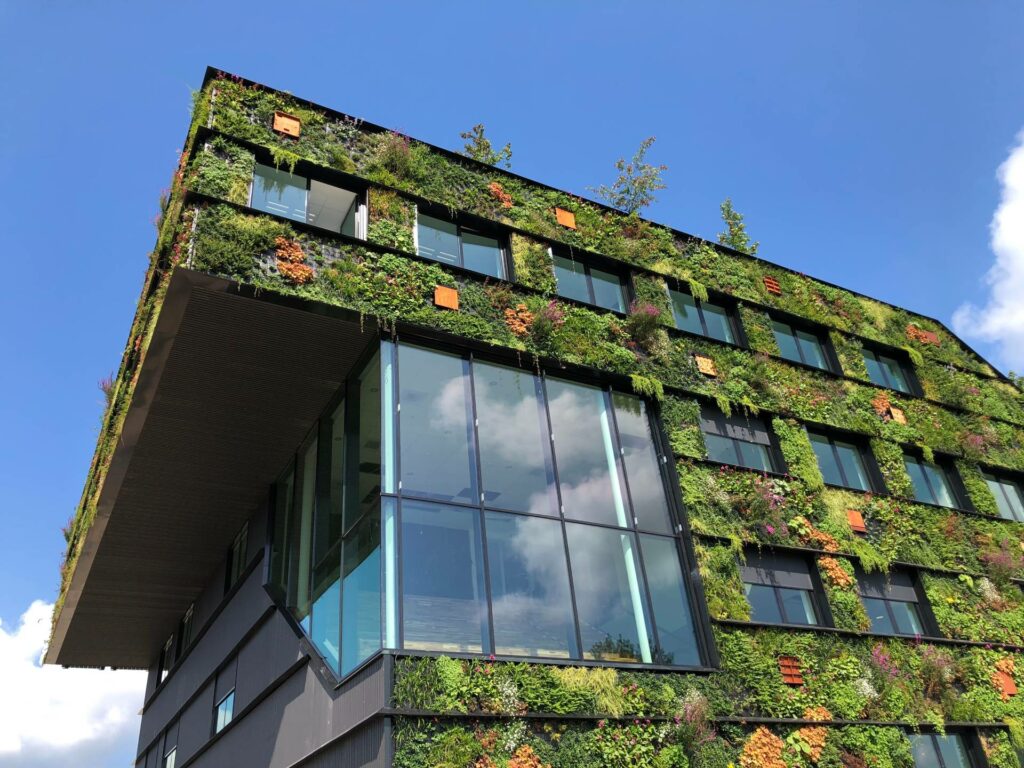
Thus, LEED Certification offers a wide range of approaches to promote sustainability in a variety of projects, from the design phase to ongoing operation and the development of sustainable communities.
Spain, leader in LEED certification at the European level
At the end of 2022, Spain remained in sixth position in the world in terms of LEED certified buildings.
That year in our country, 651 LEED buildings were certified -Platinum (114), Gold (405), Silver (104) and Certified (28) – a large figure that demonstrates the commitment of the public and private sector to sustainability.
The logistics sector leads the portfolio of properties with LEED certifications with 142 registered buildings and 93 certified buildings, with real estate logistics Montepino being the Spanish company with the most certificates, 16 in total.
Recommended for you



You deserve a facility management system that works with you
Request a free demo and discover how other maintenance, sustainability, and energy efficiency teams are achieving real results. No unnecessary complexity. Just a clear roadmap designed to scale with you.



