
Automate and improve energy management with an API


Using APIs increases the analysis capabilities of facility management systems.
In this post we tell you what an API is and how they benefit both Facility Managers and operations or IT teams.
Accelerating the use of automation technology in facilities
Saving energy has never been more necessary. The rise in energy prices and the institutional commitment to sustainability accelerate the need to convert facilities such as logistics warehouses, buildings or stores into efficient spaces that consume less energy, while taking care of the people who use them.
That is why Facility Managers and IT teams must be aware of the hardware and software automation technology used in efficient facilities.
Fortunately, there are solutions that simplify the integration of these technologies, making the work more agile and easier.
APIs and REST APIs have become essential tools in energy management and facility operations, offering great benefits to FMs.
Thanks to APIs, innovative solutions are created that completely change the way facilities are managed. And, using the API it is possible to carry out complex ideas that free the operations and IT teams from work overload.
When the API of two systems is connected, the analysis capacity grows since data is easily shared that can be used to monitor and automate all types of processes.
WOW!
But first things first: What are APIs and how can you benefit from them?
API and integrations
API (or “Application Programming Interface”) is a set of instructions or, specifically, code that allows different applications to communicate with each other and share data efficiently. This means that one application, website or system accesses the data of another and uses it in different ways.
In a nutshell, an API is like a digital bridge that connects different systems and allows them to work together synchronously.
Thus, when the API of two systems is connected, they easily share data to automate all types of processes.
Benefits of an API for energy and building management
APIs have revolutionized the way facility management systems such as: logistics warehouses, buildings or stores are connected and automated.
By using APIs, the data collected in OTEA can be imported into applications such as Power BI to make more complex calculations or studies.
1. Better performance of technical installations
For example, by connecting the facilities management system (BMS, SCADAS, EMS…) with data management applications, operating patterns can be tracked, evaluated and adjusted to apply efficiency actions.
With greater visibility and control over facility systems, operations teams can use this data to detect and repair inefficiencies. This provides a great tool to increase the longevity of systems.
2. Greater efficiency and better data quality
Using APIs reduces the time it takes for IT and operations teams to work with data. Instead of downloading data and integrating it manually, data is exchanged, collected, and updated automatically. This drastically reduces human errors.
3. Easier integrations
Why design an app from scratch that allows you to go anywhere thanks to simple step-by-step navigation if Google Maps already exists? APIs help you escape big, expensive integration projects where you have to adapt systems to do something they were not designed to do or build something from scratch.
How to use the OTEA API?
We collect all the data from the systems connected to OTEA so that you can integrate it into advanced data analysis apps such as Power BI or Grafana or the third-party solution of your choice.
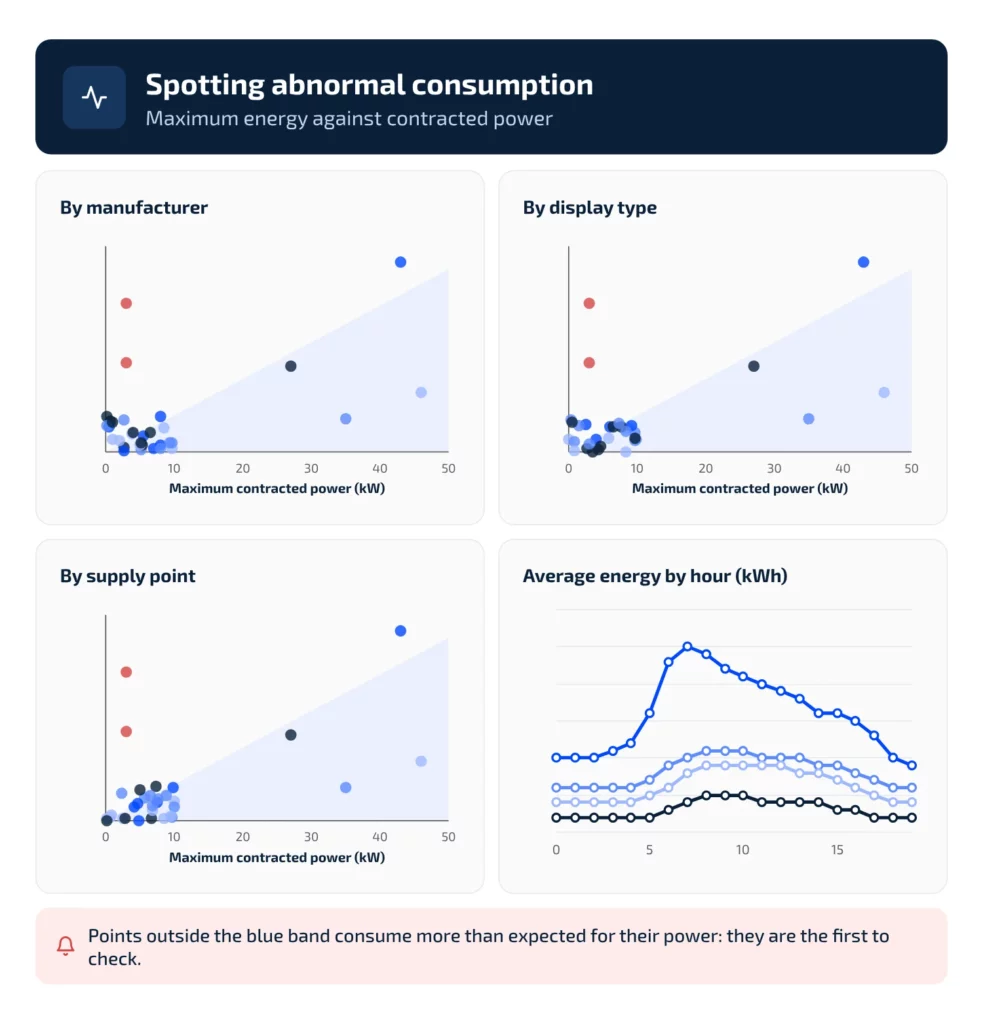
Using an API is key to creating efficient integrations. This offers new possibilities for developers to design, use and benefit from different systems, generally creating better solutions in the long term.
Do you have doubts? Write to us and tell us how you want to start using the OTEA API.
Recommended for you


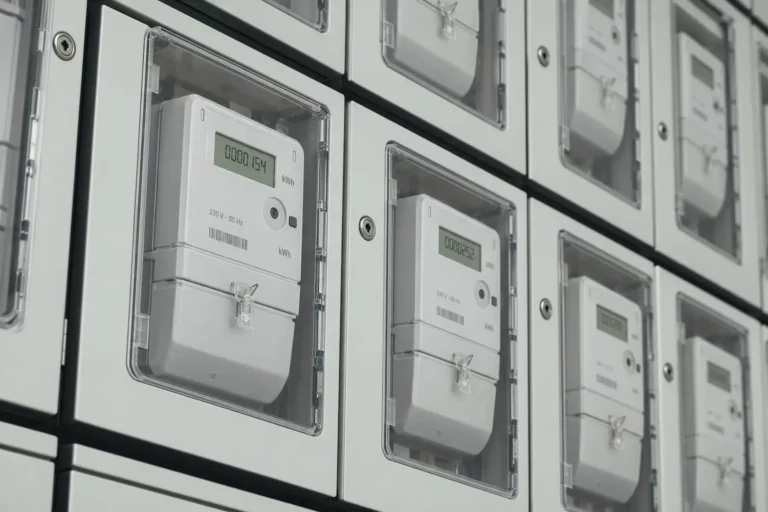

You deserve a facility management system that works with you
Request a free demo and discover how other maintenance, sustainability, and energy efficiency teams are achieving real results. No unnecessary complexity. Just a clear roadmap designed to scale with you.



