
What is a building management system and how does it work?
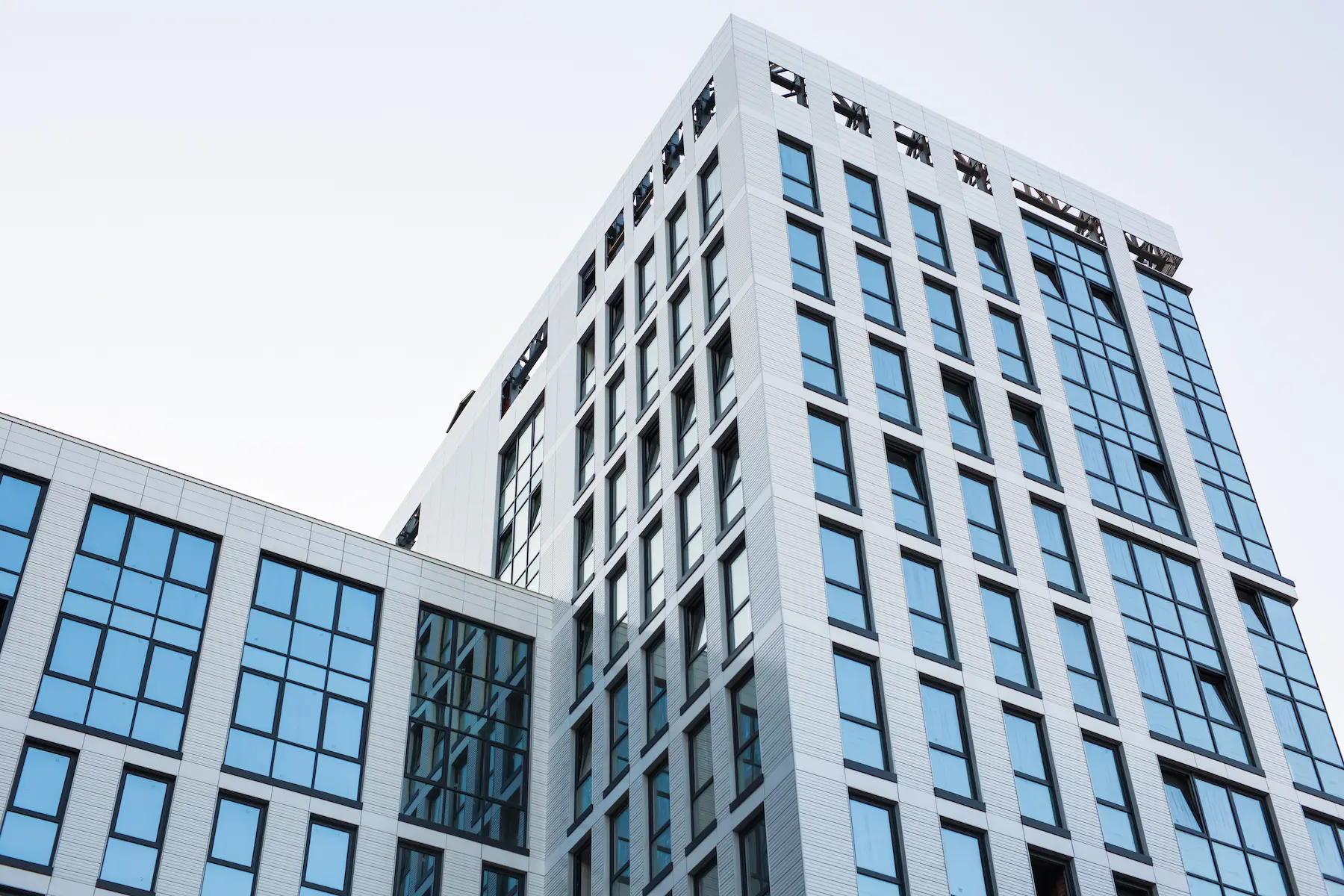
Can you imagine being able to control all the facilities in a building in an automated way? That’s exactly what a BMS allows.
Modern buildings have everything: air conditioning, lighting, security, elevators… How is all this managed efficiently? The answer is a Building Management System or BMS.
A BMS (Building Management System) is like the “brain” of the building. It is responsible for controlling and supervising all technical systems from a single point. Imagine a local control panel from where you can see and manage the heating, air conditioning, lights, security cameras… everything connected.
With a BMS you not only make the building work better, you also save energy, reduce costs and increase the comfort of the people who use it.
Next, we explain in a simple way what exactly a BMS is, how it works, why you need to connect it to remote management software and what advantages it can bring to your facilities.
What does BMS mean and what is it for?
BMS is an acronym for Building Management System. You can also find it as BAS, BACS (although they are not the same) or building control system. It is part of what is known as building automation technology, which seeks to automate and control the functions of a building to make it more efficient and comfortable.
What is it for? Basically, to make your life easier. With a BMS you can:
- Control everything from one place: forget about using different programs or going to several control rooms. Everything is centralized.
- Automate routine tasks: for example, the lights turn on only when there are people, or the temperature adjusts automatically depending on the time of year.
- See what’s happening in real time: how much energy are we using right now? Is there any equipment that is not working well? All this information, available instantly from the software.
- Save resources: by optimizing the operation of the systems, you reduce energy consumption and expenses.
- Anticipate problems: the system warns you before something fails, allowing you to act in time.
It’s like having a digital assistant who makes sure everything runs smoothly in the building, while you focus on what’s important.
How does a BMS system work?
A BMS works similar to how your brain controls your body. It receives information, processes it and gives orders so that everything works correctly.
The basic structure of a BMS includes:
- Sensors: they are like the “eyes and ears” of the system. They measure temperature, humidity, presence of people, electricity consumption and many other parameters.
- Controllers: the “brain” that receives the information from the sensors and decides what to do with it according to the programming.
- Communication network: the “veins” through which information circulates between all components.
- Central software: the “voice” that allows building managers to see all the information and act with the system.
And how does it work in practice?
- Constantly collects data: the sensors are measuring all the time (is it hot? Are there people in the room? How much electricity are we using?).
- Analyzes the information: the system processes this data and decides if it should do something about it.
- Acts automatically: if it detects that a room is empty, it turns off the lights. If it’s too hot, adjust the air conditioning. If we are at the highest peak of solar production, it puts the machines to work at full capacity.
- It shows you what’s happening: on one screen you can see the status of all the systems and receive alerts if something is wrong.
- Learn and improve: the system analyzes usage patterns to optimize building operation.
- Connects with other systems: can be integrated with maintenance programs, space management or even with business management software (such as SAP, Microsoft Dynamics or other ERP systems).
A BMS works as a digital nervous system that feels, thinks and acts so that the building operates as efficiently as possible, continually adapting to real needs.
What facilities does a BMS control?
A BMS can control practically any technical system in a building. Let’s see the main ones:
Heating ventilation and air conditioning
Air conditioning is usually the largest consumer of energy in a building, which is why its control is essential:
- Boilers and cooling equipment: the BMS decides when to turn them on and at what power they should operate.
- Temperature of each zone: each area can have its ideal temperature, depending on its use.
- Ventilation: controls the intake of fresh air based on occupancy and indoor air quality.
- Energy savings: set operating schedules based on the actual use of the building and avoid air conditioning empty areas.
The result? Better comfort and less expense. For example, a hotel can program different temperatures for occupied and unoccupied rooms, saving on its energy bill.
Lighting
According to IDAE (Institute for Energy Diversification and Saving), a lighting management system can reduce consumption by up to 45%. Let’s see why:
- Automatic adjustment: artificial light is regulated according to the available natural light.
- Presence control: the lights only turn on when there is someone in the room.
- Management by zones and schedules: different areas can have different lighting schemes.
Think about an office: does it make sense to have all the lights on at full capacity on a sunny day or when no one is working? A BMS is responsible for adjusting them automatically.
Electricity
Intelligent management of electricity consumption allows you to optimize resources and avoid extra costs:
- Load control: avoids peaks in electricity consumption by better distributing the use of equipment over time.
- Real-time monitoring: detects anomalies in consumption, allowing the identification of defective equipment or equipment that operates outside of its optimal parameters.
- Power factor correction: optimizes the quality of electrical energy, reducing penalties on the bill.
- Demand management: schedules the operation of non-critical loads during times of lower energy cost.
- Predictive maintenance: analyzes consumption trends that may indicate imminent failures in electrical equipment.
A modern BMS system can, for example, detect that an industrial freezer is consuming 30% more than usual, alerting you before a serious breakdown occurs.
Renewable energies
Maximize the use of clean sources by integrating them with the rest of the systems:
- Prioritization of self-consumption: if you have photovoltaic panels, the BMS can direct the energy generated toward the consumption that benefits the most at all times.
- Surplus management: When renewable production exceeds demand, the system can activate programmable loads such as air conditioning or energy storage.
- Interaction with storage systems: optimizes battery charge and discharge cycles according to energy prices and solar production.
- Energy balance: Provides detailed reports on how much energy comes from renewable sources and how much from the grid.
- Integration with electric vehicles: schedule the charging of fleets of electric vehicles during periods of greatest solar production.
A practical example: in a supermarket with a photovoltaic installation, the BMS can automatically intensify cooling during the hours of maximum solar production, accumulating cold to reduce consumption in later hours.
Elevators, alarms and security
Safety and vertical transport are crucial in any building:
- Elevator monitoring: detects failures, records usage and optimizes its operation.
- Access control: manage who can enter each area and at what time.
- Video surveillance: integrates cameras and recording systems on the same platform.
- Anti-intrusion systems: connect alarms and motion sensors to the central system.
- Fire protection: coordinates smoke detectors, alarms and extinguishing systems.
The BMS is designed to respond to emergencies by coordinating actions such as unlocking doors, turning on emergency lights, and guiding occupants to safe exits.
Energy and water consumption
Monitoring what you spend is the first step to saving:
- Detailed measurement: not only the total consumption, but also broken down by areas, plants or even specific equipment.
- Leak detection: notifies if it detects unusual water or energy consumption.
- Water management: controls recycling systems and use of graywater.
- Smart irrigation: adjust garden irrigation according to weather conditions.
- Consumption analysis: shows you graphs and trends to identify savings opportunities.
Submetering or zone measurement is key. Imagine a shopping center that can know exactly how much each store or area consumes, facilitating both billing and the detection of anomalies in consumption.
Advantages of integrating a BMS in your facilities

Installing a BMS is not just a technological issue, it is a decision that positively influences many aspects:
- Centralized and simple control: you manage everything from a single screen, even from your cell phone or tablet outside the building. Have you left a light on over the weekend? Turn it off remotely.
- Real energy savings: users usually experience a significant reduction in their energy bill. A supermarket can save hundreds of euros per month simply by optimizing its systems. Imagine if you scaled it to your entire network of stores.
- Fewer breakdowns, more prevention: the system not only detects when something starts to fail before it breaks completely, but it notifies you instantly, allowing you to act immediately. It’s like going to the doctor for a checkup instead of waiting until you’re sick. Additionally, you can mark alerts by criticality level. This helps you a lot.
- Equipment that lasts longer: By functioning optimally, the facilities suffer less wear and tear. A well-regulated boiler can last longer.
- Greater comfort for everyone: perfect temperature, adequate lighting… workers and visitors don’t even notice that the system is working, they just enjoy the result.
- Decisions based on real data: clear reports that show you where you can improve. No more guessing about what you consume more or less.
- Regulatory compliance without headaches: the system keeps records of temperature, air quality and other parameters that you may need for inspections.
- More sustainable building: less consumption means less CO₂ emissions. Your building will be greener not only on paper, but in reality.
- Greater value of the property: a smart building connected (with BMS) is more attractive to buyers or tenants and obtains better ratings in certifications such as LEED or BREEAM.
In addition, with the new Energy Savings Certificates (CAEs), you can even monetize the savings you achieve, recovering part of your investment.
A BMS is not an expense, but an investment that pays for itself with the savings it generates, while making your building more efficient, comfortable and valuable.
Is it mandatory to have a BMS? Regulations and recommendations
Although there is no law that literally says “you must install a BMS”, current regulations are indirectly moving toward its adoption:
- European Energy Efficiency Directive: in 2025, it became mandatory for large non-residential buildings (with thermal power greater than 290 kW) to implement automation systems.
- RITE (Thermal Installations Regulation): Spanish regulations require large buildings to have systems that:
- Continuously measure energy consumption
- Compare efficiency with references
- Detect performance losses
- Report on possible improvements
- ISO 50001: if you want to be certified in energy management, you will need to monitor your consumption accurately. A BMS and software like OTEA makes it easy for you.
- CAEs System: Energy Savings Certificates allow you to earn money for saving energy. The TER050 factsheet specifically assesses building automation systems, making installing a BMS economically attractive.
- Technical Building Code: increasingly requires more efficient buildings, something difficult to achieve without automated control systems.
- Local ordinances: Some cities have additional requirements, especially for new buildings or major renovations.
Beyond what is mandatory, voluntary certifications such as LEED or BREEAM give extra points to buildings with management systems, which can be decisive in reaching the highest categories.
Although a complete BMS is not mandatory in all cases, the regulatory trend clearly points in that direction. Rather than asking if it is mandatory, the question is: can you afford not to have it in the near future?
The role of IoT technology in BMS
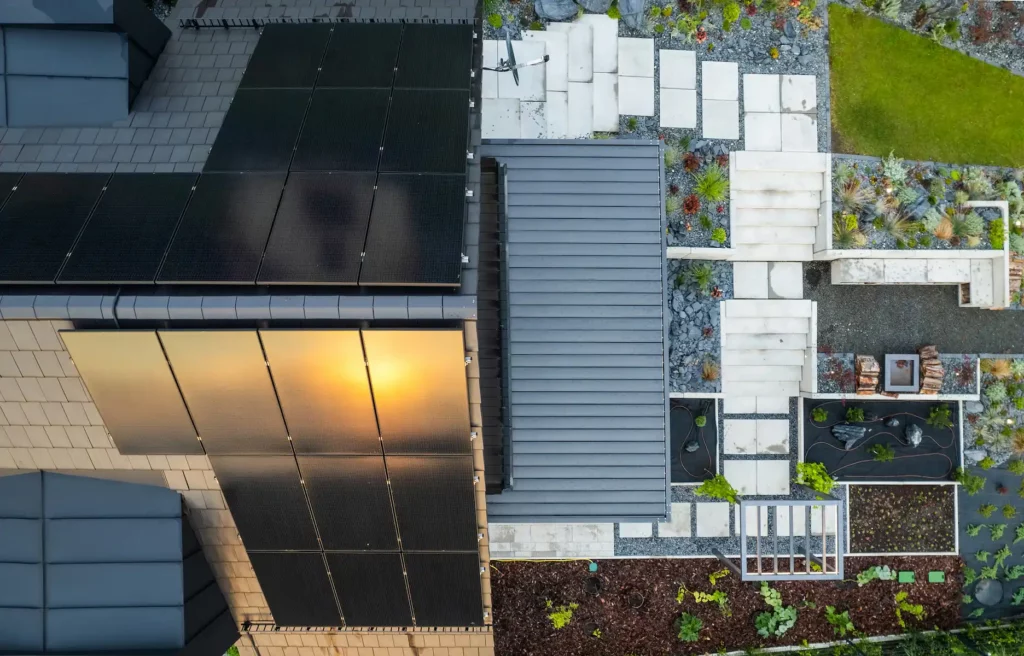
The Internet of Things (IoT) has revolutionized building management systems, making them more accessible, powerful and easy to implement.
How has IoT changed BMS systems?
- Cheaper and smaller sensors: Previously, equipping an entire building with sensors cost a fortune. Today you can put temperature, humidity or presence sensors for a fraction of the price.
- Everything in the cloud: you no longer need servers in your building. The data can be processed in the cloud and accessed from any device.
- Smart Analytics: IoT combined with artificial intelligence can detect patterns that a human would never see. “Hey, on Mondays you always consume 15% more energy, do you know why?”
- Fully customized system: you can start by monitoring the most essential part (for example, air conditioning) and add more functions in a scaled manner.
- Simpler integration: IoT systems usually use universal protocols (ModBus, BACnet, KNX, …) that facilitate the connection with thousands of device models so as not to depend on a single provider.
The best thing is that this revolution has meant greater accessibility to technology. Previously, only large corporate buildings could afford a BMS. Today, retail chains can implement IoT solutions that offer the same advantages.
For example, platforms like OTEA use IoT technology so you can start monitoring your energy consumption in your property portfolio.
IoT technology is transforming building management systems, making them more accessible to everyone.
Centralized technical and energy control with OTEA
OTEA is the perfect software to connect your local BMS. It offers many of its key functions, especially related to energy efficiency and maintenance operation.
What can you do with OTEA?
- See your consumption in real time: electricity, gas, water… everything controlled in detail. It’s like having a control panel for your energy consumption.
- Detect problems before they become serious: “Hmm, this machine has been consuming more than normal for three days, something’s up.” OTEA warns you before a serious breakdown occurs.
- Control your facilities remotely: are you at home on a Sunday and remember that you left something on? Turn it off from your mobile.
- Anticipate breakdowns: the system analyzes patterns and warns you when something is not going well, before it fails completely.
- Set up custom alerts: decide exactly what you want the system to do and when.
- Automate routine actions: schedule on/off times, temperature adjustments based on occupancy, and other manual tasks.
- Certify your energy savings: OTEA helps you document and verify your improvements to obtain Energy Savings Certificates (CAEs) and earn money for being efficient.
- Make decisions with real data: clear, visual reports that show you where you can improve and how much you are saving.
The great advantage of OTEA over a traditional BMS is its flexibility. You do not need to make a large initial investment or complicated works. You can start little by little, monitoring only the most important things, and expand according to your needs and budget.
In addition, OTEA can integrate with systems you already have, including an existing BMS, adding energy analysis functions that help you get more out of your installation.
It is especially useful for sectors such as hotels, shops or supermarkets, where energy represents a significant cost and small improvements can mean big savings.
In short, OTEA offers you many of the advantages of a BMS designed for what really matters: controlling your facilities, reducing your energy consumption and saving money, all in a simple way and without technical complications.

Recommended for you

You deserve a facility management system that works with you
Request a free demo and discover how other maintenance, sustainability, and energy efficiency teams are achieving real results. No unnecessary complexity. Just a clear roadmap designed to scale with you.




